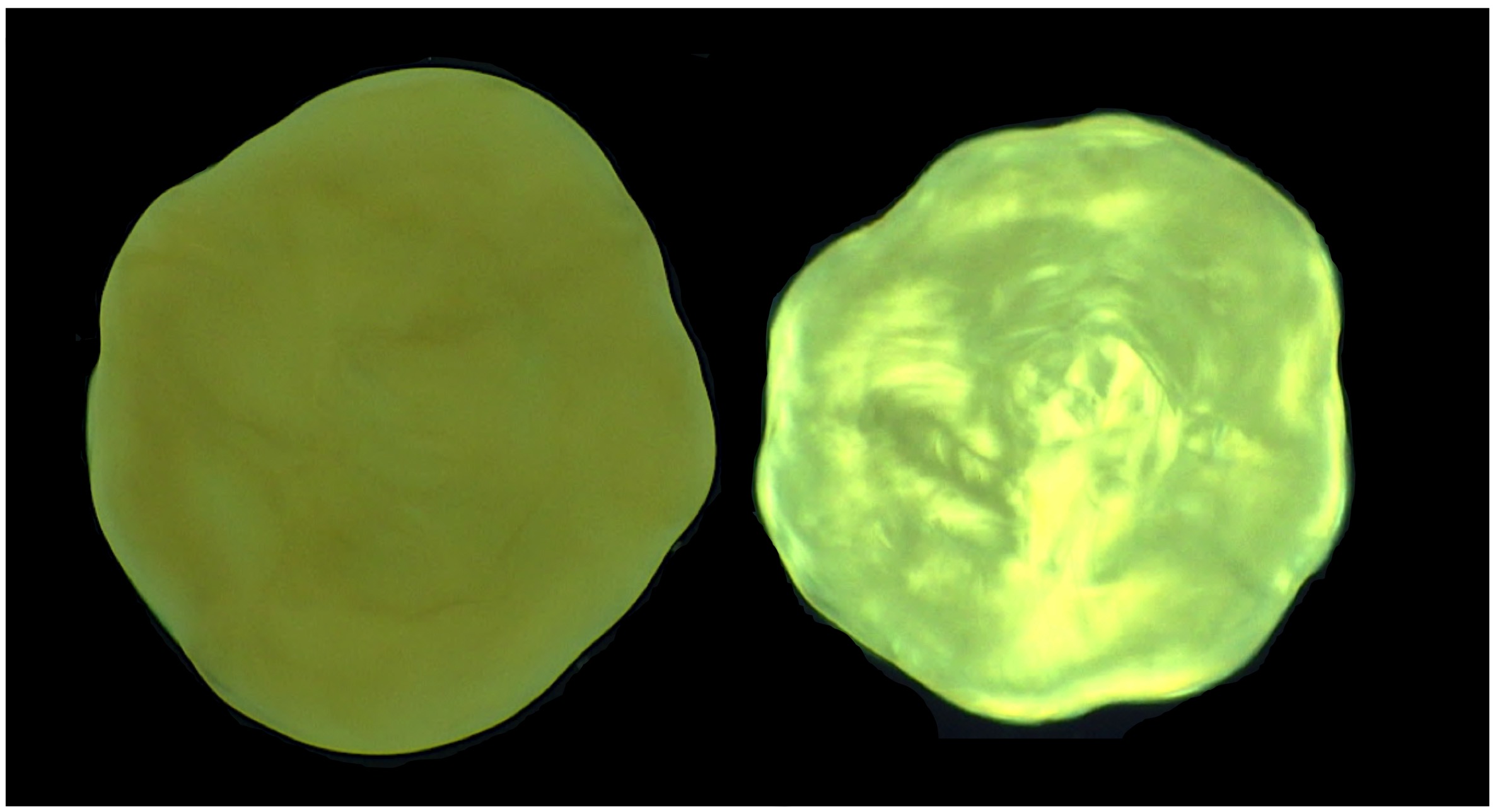
Filamentous Phages and Chronic Infection
We investigate how filamentous Pf bacteriophages modulate Pseudomonas aeruginosa physiology and promote chronic infection. Our work has shown that Pf phages influence key virulence phenotypes, including biofilm formation, motility, and antibiotic tolerance. We use microbial genetics, microscopy, and molecular tools to dissect how phages reprogram bacterial behavior in diverse infection settings.
Related publications:
Science,
Cell Host & Microbe,
PLoS Pathogens,
Molecular Microbiology,
PNAS

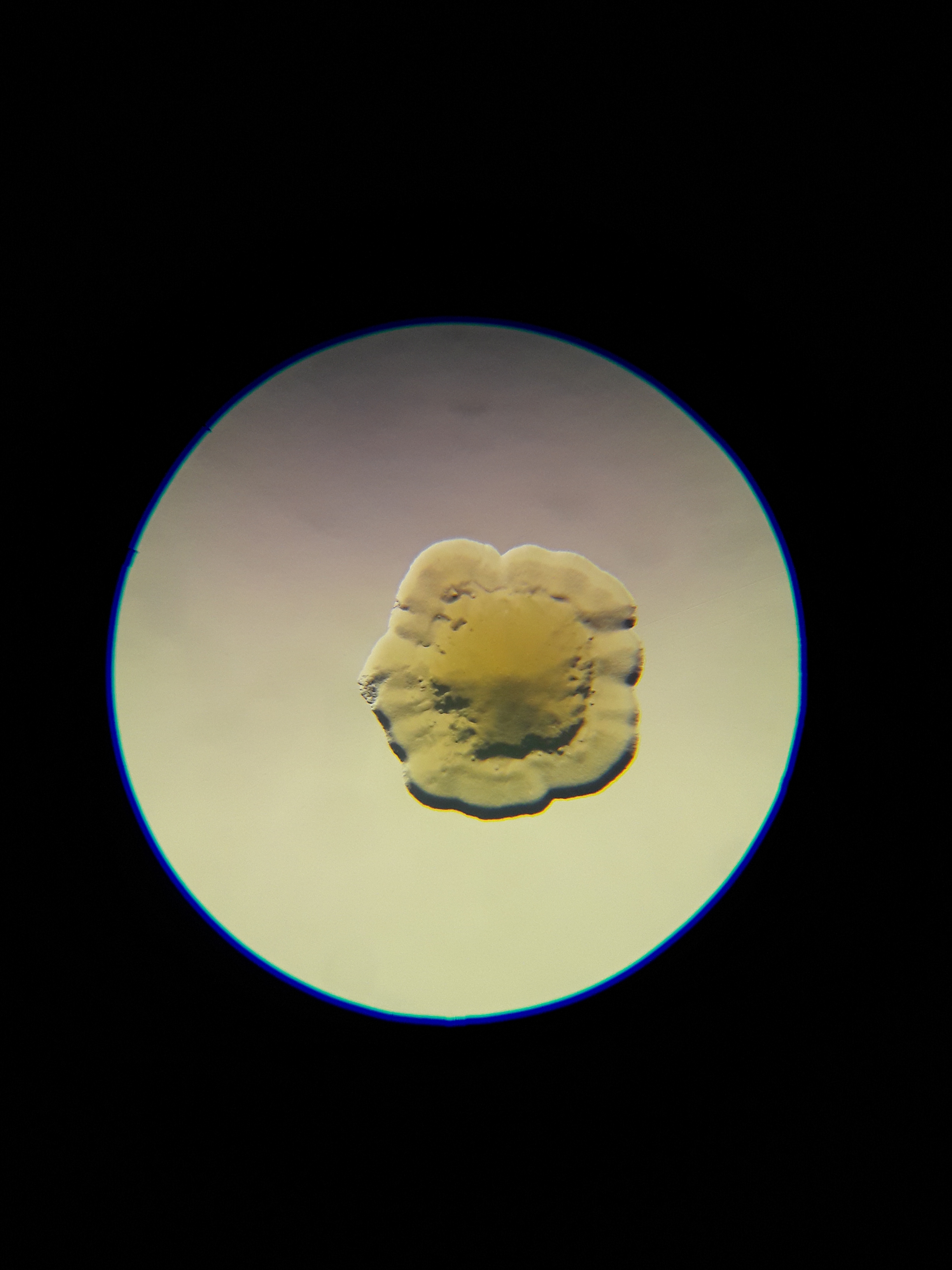
Phages, Inflammation & Enteric Pathogens
We study how phage-encoded peptides and viral regulatory circuits influence the fitness and virulence of adherent-invasive E. coli (AIEC), a pathobiont linked to Crohn’s disease. Using microbial genetics, genomics, and RNA-sequencing, we investigate how phage elements alter bacterial gene expression and drive the emergence of inflammatory phenotypes.
Related publications:
Annual Review of Virology,
bioRxiv 2025
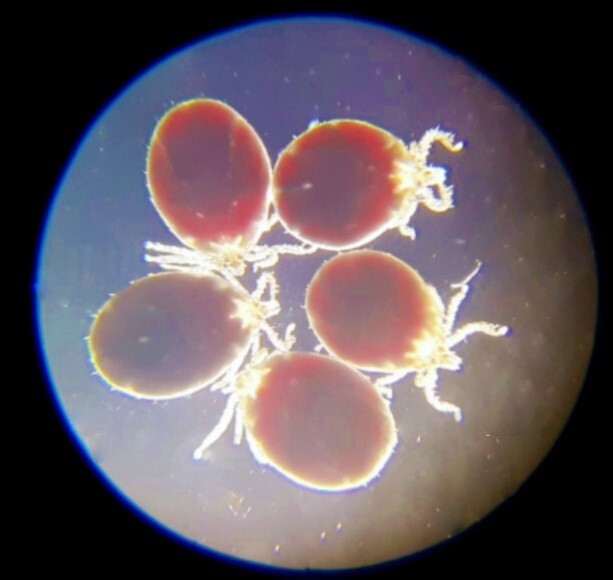
Phages in Vector-Borne Disease
Our lab explores how temperate phages like ϕBB-1 shape the biology of Borrelia burgdorferi during its enzootic cycle between ticks and mammals. We use genetic tools and in vivo models to determine how phage activation influences bacterial persistence, transmission dynamics, and interactions with host immunity in Lyme disease.
Related publications:
PLoS Pathogens,
Nature Communications,
eLife
Phages and Bacterial Physiology
We explore how phage infection reprograms bacterial physiology, including metabolism, stress adaptation, and gene expression. Our work shows that phages can reshape core regulatory circuits and resource allocation, with broad implications for bacterial survival and evolution in natural and clinical environments.
Related publications:
MBio,
J Bacteriol,
Mol Microbiol,
PNAS,
MBio

Microbial Biophysics
We investigate the physical principles that govern microbial organization and biofilm assembly. Our research shows how filamentous phages can drive liquid crystalline ordering of bacterial biofilms, alter mechanical properties of the matrix, and shape infection dynamics. We integrate microscopy, materials science, and microbiology to uncover the emergent biophysical behaviors of microbial communities.
Related publications:
Frontiers in Cellular and Infection Microbiology,
PNAS,
Microbial Cell,
Cell Host & Microbe